
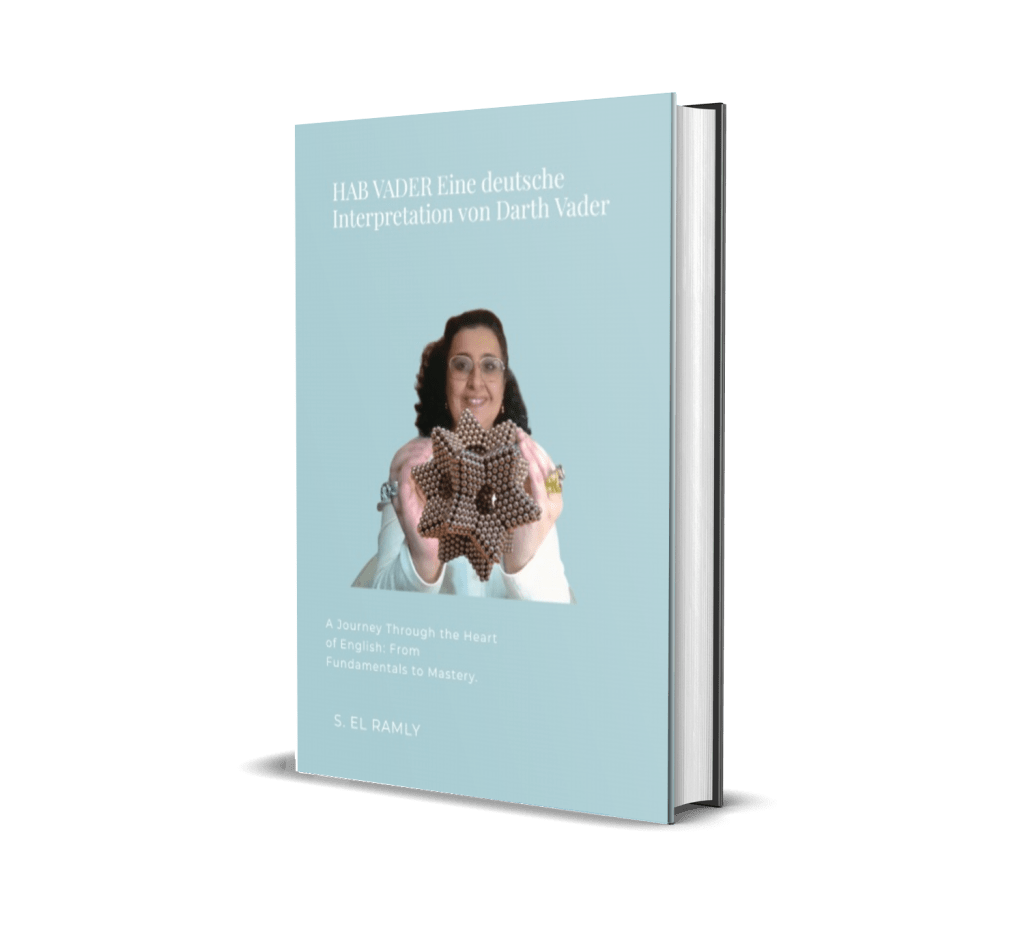
PLOT
Hab Vader – Eine deutsche Interpretation von Darth Vader
By Shahinaz El Ramly
In Hab Vader, Darth Vader is reimagined not merely as a fallen hero, but as the ultimate product of a flawless system. This German philosophical–mythic reinterpretation follows the transformation of Anakin Skywalker into Hab Vader—a figure shaped less by passion than by discipline, obedience, and ideological order.
Raised within institutions that prize efficiency over empathy, Hab Vader learns early that emotion is weakness and hesitation a failure of character. The Empire is not portrayed as chaotic evil, but as a meticulously organized machine—logical, hierarchical, and terrifyingly rational. Within this system, Hab Vader thrives. He becomes its most loyal instrument, executing commands with precision while slowly surrendering his inner voice.
As his body is mechanized and his identity concealed behind armor, Hab Vader’s humanity erodes. Power replaces belonging. Law replaces conscience. Fear becomes governance. Yet beneath the mask, memory survives—faint, persistent, and dangerous.
The arrival of his son, Luke, introduces a philosophical rupture. Luke does not challenge Vader with violence, but with moral clarity, forcing him to confront the question he has long suppressed: Is obedience a virtue when it serves injustice?
In the final confrontation, Hab Vader faces not a rebel army, but himself. His ultimate choice is neither conquest nor defeat, but renunciation—the rejection of power in favor of responsibility. Redemption emerges not as heroism, but as awakening: the courage to disobey evil, even at the cost of one’s life.
Hab Vader is a meditation on authority, technology, fatherhood, and faith—where the true battle is not between light and dark, but between systemic obedience and moral freedom.
BACK BOOK DESCRIPTION (Back Cover Text)
What happens when evil is not chaotic—but perfectly organized?
In Hab Vader, author Shahinaz El Ramly offers a bold German philosophical reinterpretation of Darth Vader, transforming the iconic Star Wars figure into a symbol of disciplined power, systemic obedience, and moral silence.
This is not a story about rage.
It is a story about order without mercy.
Through the lens of German thought—echoing Kant, Hegel, Nietzsche, and Heidegger—Hab Vader explores how institutions manufacture obedience, how technology erodes humanity, and how fear becomes law. Vader is no longer merely a villain; he is a functionary of a flawless system, a man who follows rules so completely that he forgets how to choose.
When his son appears, the Empire’s greatest enforcer is confronted with the most dangerous idea of all: conscience.
Philosophical, mythic, and deeply human, Hab Vader is a literary meditation on power, redemption, and the cost of silence. It speaks to readers of science fiction, philosophy, ethics, and political thought—and to anyone who has ever wondered how good people become instruments of injustice.
Because the darkest evil does not shout.
It obeys.
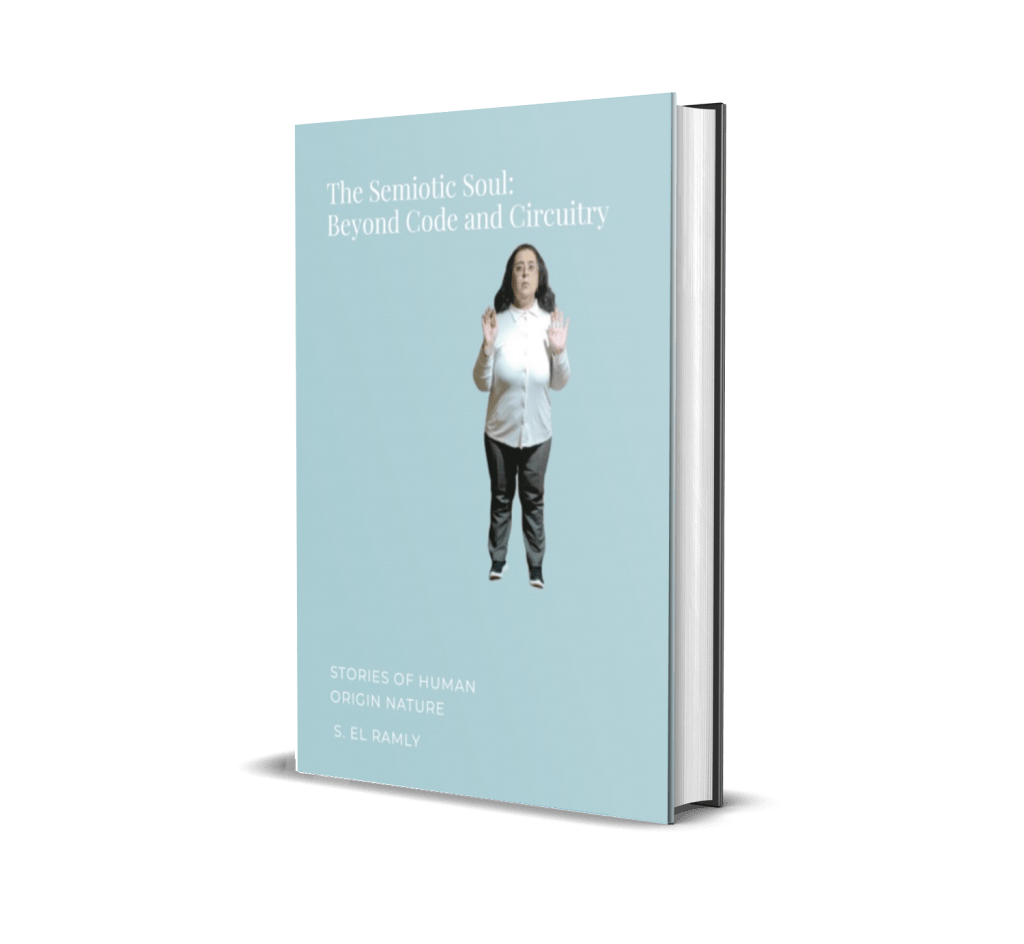
The Semiotic Soul: Beyond Code and Circuitry
Plot Structure (Philosophical Narrative Arc)
The book begins by dismantling surface identity (writer, artist, innovator).
It moves into philosophical critique of machine metaphors.
It reclaims the body as locus of intelligence.
It reframes revelation as interpretive alignment.
It examines technology ethically.
It culminates in a declaration of human semiotic sovereignty.
About the Author
Shahinaz El Ramly
Shahinaz El Ramly, author of The Semiotic Soul: Beyond Code and Circuitry, is a philosophical writer whose work bridges semiotics, spirituality, embodied cognition, and technological critique. Her writing explores the tension between human organic existence and the rising metaphor of mechanistic identity in the digital age.
In The Semiotic Soul, El Ramly constructs a philosophical journey rather than a traditional plot. The “narrative” unfolds as a progressive unveiling of the human condition: from mistaken identification with profession and productivity, through critique of technological reductionism, toward the rediscovery of embodied, interpretive, spiritually aligned humanity.
— Shahinaz El Ramly
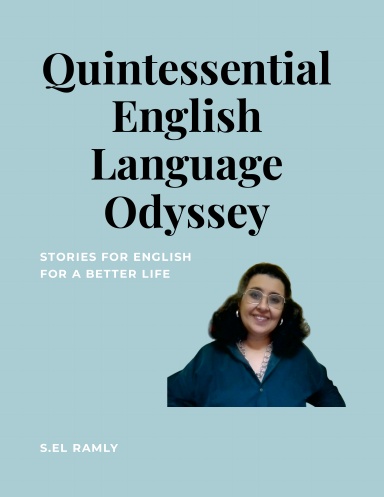
About the Author – Shahinaz El Ramly
Shahinaz El Ramly is the visionary author of Quintessential English Language Odyssey, a transformative educational work designed to reimagine how students experience and master the English language. Her writing blends creativity, clarity, and intellectual discipline, creating a learning journey that feels more like an adventure than a classroom exercise.
Born with a deep love for language, Shahinaz found early inspiration in the power of words to shape thoughts, bridge cultures, and empower minds. She devoted years to studying the structure, rhythm, and philosophy of language, developing a teaching style that integrates storytelling, logic, emotional intelligence, and critical thinking.
Her work is recognized for turning complex grammar and literary concepts into accessible, engaging lessons. Shahinaz believes that language is not merely a subject to be memorized but a living tool for self-expression, identity, and lifelong growth.
Through Quintessential English Language Odyssey, she invites readers—especially young learners and freshmen students—to embark on a heroic journey of linguistic discovery, where every lesson becomes a stepping stone toward clarity, confidence, and eloquence.
When she is not writing, Shahinaz El Ramly dedicates her time to educational research, curriculum design, and inspiring students to see learning as a form of empowerment rather than obligation.
Her message to readers is simple:
“Master language, and you master the world within you.”
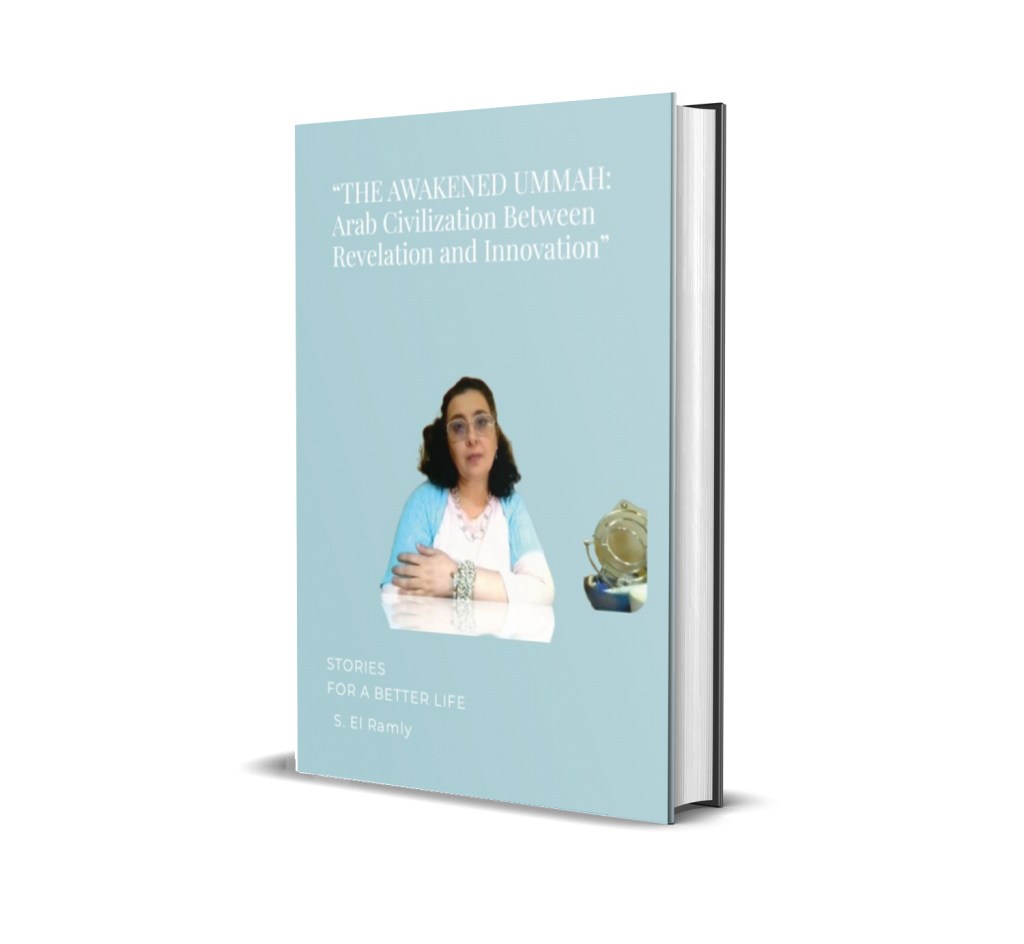
Book Title
“THE AWAKENED UMMAH:
Arab Civilization Between Revelation and Innovation”
Core Vision
A civilizational novel–manual that guides Arab societies to modern excellence without moral erosion, rooting technology, AI, education, media, and culture in Qur’anic ethics, Prophetic wisdom, and intellectual responsibility—not nostalgia, not blind imitation, but conscious renewal.
Plot Overview (Civilizational Narrative)
The book follows a collective protagonist: the Arab Ummah, moving through three stages:
- Recognition – understanding where confusion, emotional stagnation, and neglect arose
- Reconstruction – reforming education, ethics, governance, media, science, and AI
- Renaissance – building a future-led, Qur’an-centered, technologically fluent civilization
Happy Learning….(>~*(
Noethemergology is the scientific study of how meanings are born, layered, transformed, and transmitted across consciousness, language, culture, and reality.
It explores meaning not as a symbol or definition, but as an evolving energetic structure with measurable cognitive, emotional, and social impact.
👤 About the Author
Shahinaz El Ramly
Scientist of Meaning | Creator of Noethemergology | Educator of Cognitive Depth
Shahinaz El Ramly is the original founder of Noethemergy and the first academic architect of Noethemergology. With a background in education, cognitive studies, cultural intelligence, and conceptual design, she has worked across multiple fields including:
- Educational development
- Cultural semiotics
- Narrative cognition
- Human potential and depth psychology
- Innovation and conceptual frameworks
Her work positions her as a pioneer in the exploration of meaning as a scientific, cognitive, and spiritual force.
When the Land Breathes Again
Reclamation does not end when green appears.
It ends when the land can sustain itself without intervention—when soil aggregates hold, microbes cycle nutrients, roots find water, and humans no longer extract faster than nature can replenish.
Arid lands teach patience. They reward precision. They expose arrogance.
This book closes with a simple truth:
The future of drylands is not about making deserts disappear, but about allowing life to return where it was interrupted.
In restoring arid waste lands, we do more than heal soil—we restore balance between science and humility, technology and restraint, ambition and care.
The land breathes again.
ABOUT THE AUTHOR
Shahinaz El Ramly
Shahinaz El Ramly is an interdisciplinary scientist, systems thinker, and applied environmental strategist specializing in arid waste lands science, land reclamation, and ecosystem restoration.
She is a graduate of the Higher Institute, where she received advanced education in environmental systems, land science, and applied engineering principles, forming a strong foundation in soil–water–ecosystem interaction.
Her professional experience includes working with BCEOM and BRLi, in association with DCE, where she contributed to large-scale infrastructure, environmental assessment, hydrology, and land management projects, particularly in arid and semi-arid regions.
Through this work, she gained practical expertise in water resource management, reclamation planning, and sustainability engineering, bridging science with real-world application.
As an author, Shahinaz El Ramly is known for transforming complex scientific systems into structured, human-centered knowledge, advocating that degraded lands are not dead lands—but systems awaiting correct intelligence.
This book reflects her philosophy:
Science restores land. Systems sustain it. Responsibility protects it.
Plot Summary
The Miracle Return
The novel follows Shahinaz El Ramly, known among her people as The Ivory Mother, who leads scattered troops of displaced families, elders, and children through a perilous migration back to their homeland after years of exile.
Their path cuts through the Eskimo Jungle—a paradoxical realm of frozen forests, ice-vines, white predators, and deceptive silence. This journey is not only physical but existential: every step tests memory, loyalty, and the value of human life.
Shahinaz El Ramly – The Ivory Mother
Shahinaz El Ramly is portrayed not merely as an author, but as a symbolic mother of endurance, ethics, and creative resurrection. In this novel, she embodies The Ivory Mother—a visionary matriarch whose wisdom is forged through hardship, migration, loss, and return.
As an authorial presence, Shahinaz El Ramly represents:
- Intellectual motherhood — nurturing people, ideas, and civilizations
- Moral leadership — choosing rescue over conquest, invention over exploitation
STEP AND TONE™ — The Compass-Out Aerobic System by Shahinaz El Ramly
Ownership & Attribution Statement
The Step & Tone Codex documents Shahinaz El Ramly’s original aerobics inventions—systems that blend rhythm, balance, neuro-motor control, and dynamic choreography into a new fitness language. It positions her work as a structured body of training science: defined methods, named techniques, and functional frameworks that can be taught, researched, and evolved professionally.
The book acts as both a training manual and intellectual record of her innovations.
👩🏫 ABOUT SHAHINAZ EL RAMLY (Professional / Academic Tone)
Shahinaz El Ramly is an aerobics innovator, fitness pioneer, and creator of original movement systems that redefine training methodology, rhythm, and performance design. Her signature inventions—including the Step and Tone Jump Over System, Diagonal Flip-Flop Turn Method, and Two-Facial Front Rhythm Dynamics—expand the vocabulary of modern aerobics into a structured discipline. As the author of Tête-à-Tête: A Storytelling Journey Through Yoga & Pilates, she bridges instructional science with narrative expression, advancing physical education into a creative and researchable field.👩🏫 ABOUT SHAHINAZ EL RAMLY (Professional / Academic Tone)
Shahinaz El Ramly is an aerobics innovator, fitness pioneer, and creator of original movement systems that redefine training methodology, rhythm, and performance design. Her signature inventions—including the Step and Tone Jump Over System, Diagonal Flip-Flop Turn Method, and Two-Facial Front Rhythm Dynamics—expand the vocabulary of modern aerobics into a structured discipline. As the author of Tête-à-Tête: A Storytelling Journey Through Yoga & Pilates, she bridges instructional science with narrative expression, advancing physical education into a creative and researchable field.
⭐ THE SCIENCE OF DIBAJ
Shahinaz El Ramly is a writer of cultural heritage literature, spiritual science narratives, and historical futurism. Her work bridges art, philosophy, and textile anthropology, transforming ancient crafts into visionary worlds. With a background in heritage studies, creative authorship, narrative symbolism, and artistic research, she writes to preserve the past and redesign the future.
Shahinaz El Ramly is an Egyptian author of Islamic literature, spiritual philosophy, imaginative mythology, and symbolic world-building. Her writings bridge classical tradition with visionary narrative, blending the contemplative depth of Islamic theology with the imaginative scale of mythic epics. She is often described as “the Islamic spirit of Tolkien with the soul of Rumi.”
Title:
The Lily That Was Being Worked On
This is a dream-novel—a philosophical, psychological, and symbolic epic—where reality unfolds through acts of removal rather than acquisition.
The novel is not about building a self.
It is about paring one down.
Who is being “pared down”?
The novel does not point to one single person as the subject of the removal.
Instead, the “self” being pared down is a universal self, the part of the human psyche that:
- accumulates identity through society
- hides behind roles, stories, and habits
- is built by external expectations
So the “self” in the novel is:
Not just Serpa or Capera
But the human self as a concept.
However, if we want to interpret it in terms of characters:
ABOUT THE AUTHOR — SHAHINAZ EL RAMLY
Shahinaz El Ramly is a systems thinker, educator, and design philosopher whose work bridges art, geometry, and cognitive science. With a background rooted in education, innovation, and structured thinking, she approaches mandala not as spiritual symbolism alone, but as a precise language for organizing thought, emotion, and material reality.
Her work emphasizes ethical structure, clarity, and accessibility—believing that complex ideas must be made visible, touchable, and teachable. Through mandala science, string geometry, and interlocking design, she transforms abstract mathematics into human-centered tools for focus, learning, and resilience.
Mandala Science: Geometry, Strings, and Interlocking Forms represents her synthesis of decades of observation: how humans learn, how systems fail or hold, and how simple constraints can generate infinite creativity. This book positions mandala not as an art form, but as a method—one that can be taught, shared, and evolved.
BACK COVER DESCRIPTION
What if geometry could teach calm, clarity, and cooperation?
Mandala Science: Geometry, Strings, and Interlocking Forms reveals mandalas not as decorative art, but as powerful systems for thinking, learning, and designing. Moving from the simplest point to complex interlocking structures, this book uncovers the hidden logic behind circles, frames, repetition, and tension.
Through clear explanations and practical insight, readers explore how shapes nested within one another create meaning, how solid frames stabilize attention, and how repetition stores intelligence. The journey extends beyond ink and paper into string art—where straight lines form curves through tension—and into jigsaw design, where interlocking pieces model cooperation without force.
Blending geometry, cognitive science, material design, and education, this book transforms abstract mathematics into tangible, human-centered tools. It is equally suited for artists, educators, designers, engineers, therapists, and anyone seeking order within complexity.
This is not a book about making perfect patterns. It is a book about building systems that hold.
Open the circle. Learn the structure. Let the mandala continue.
Book Title:
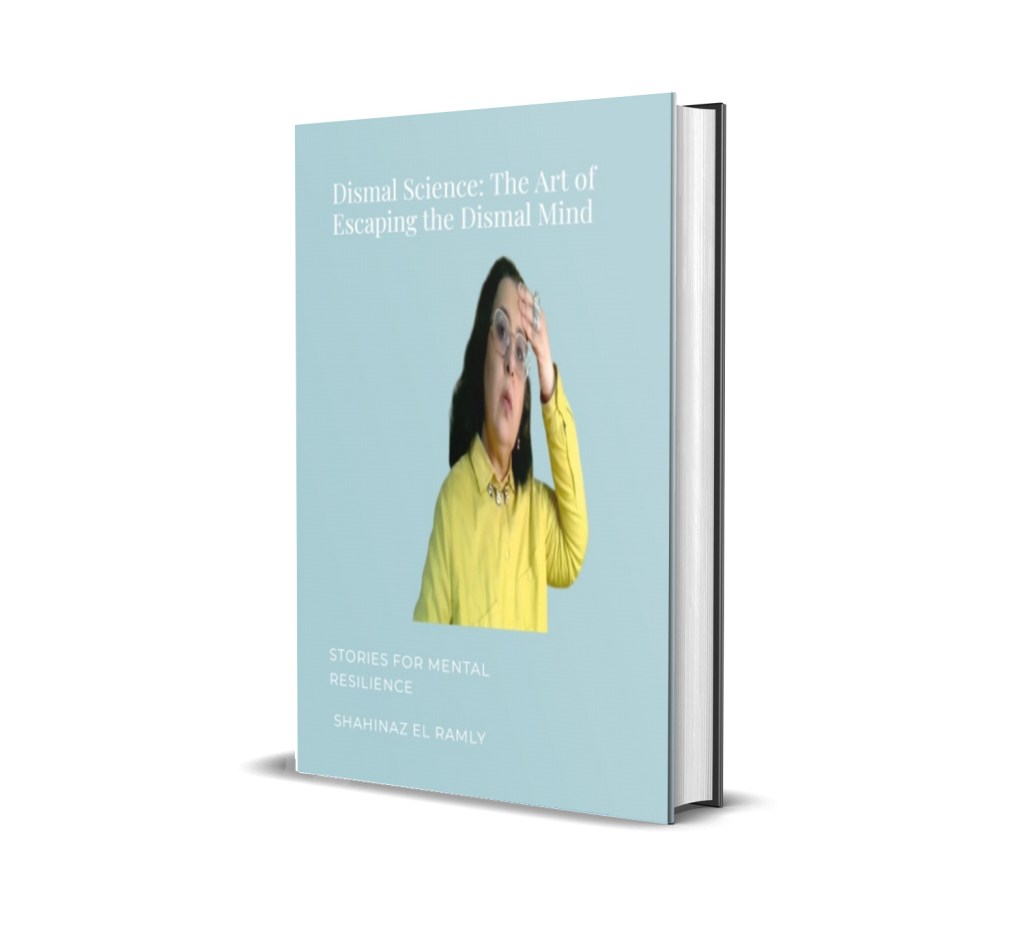
Dismal Science: The Art of Escaping the Dismal Mind
Author:
Shahinaz El Ramly – A passionate advocate for mental resilience, Shahinaz combines personal experience with practical strategies to help people overcome dismal thinking and live actively, joyfully, and creatively.
Book Concept:
“Dismal Science” explores why humans often dwell on minor setbacks, trivial disappointments, or self-imposed limitations. The book teaches readers how to shift rapidly from dismal, negative thinking to “Eureka!” moments using exercise, reading, travel, hobbies, curiosity, and social connection. It emphasizes action over rumination and mental agility over passive melancholy.
About the Author – Shahinaz El Ramly:
Shahinaz El Ramly is an author, educator, and mental resilience advocate. Passionate about practical psychology, mindfulness, and creative living, she helps people reclaim their joy through rapid action, curiosity, and lifestyle shifts. Her approach blends personal insight with accessible strategies to navigate life’s challenges without dwelling in despair.
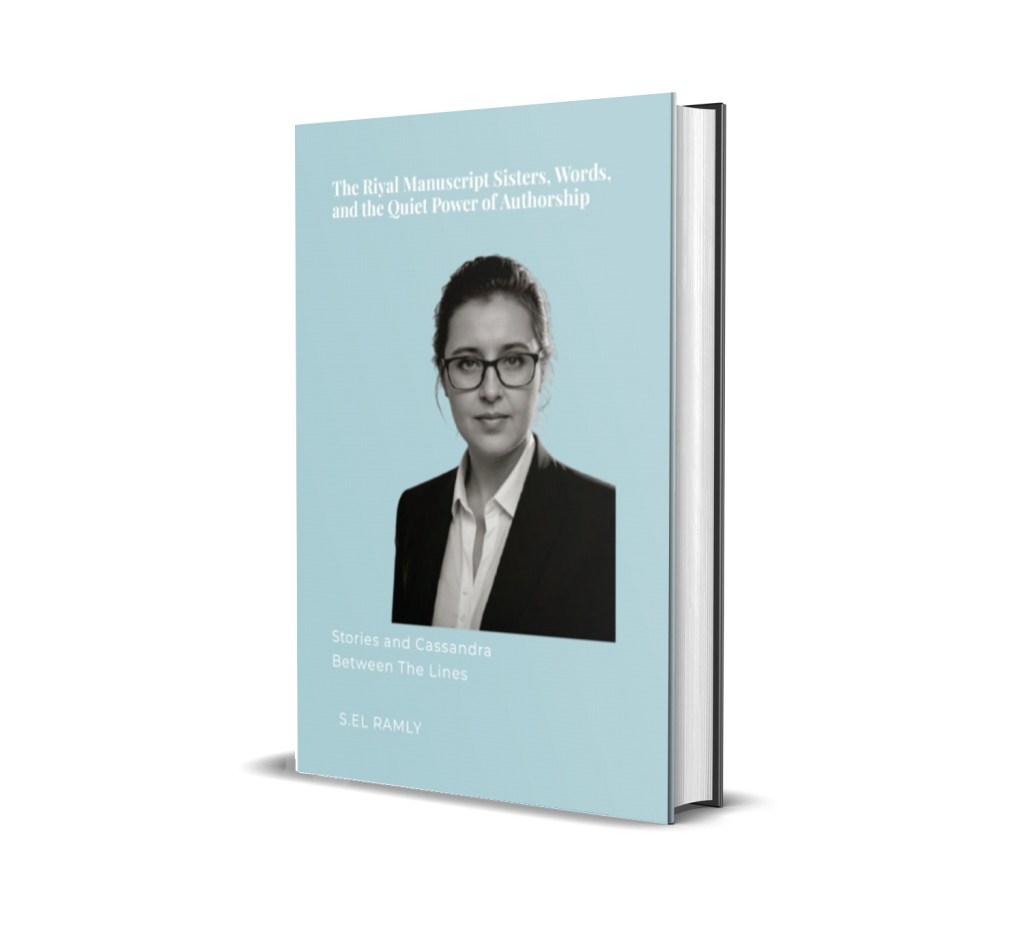
Cassandra Between The Lines
About the Author
Shahinaz El Ramly is a prolific author, edupreneur, and interdisciplinary thinker whose work explores creativity, ethics, identity, and human potential. Blending literary storytelling with intellectual depth, she champions unseen contributors and transformative learning through art and education.
Back Cover Description
She was never meant to be seen—only to improve the words of others.
When a forgotten manuscript crosses Cassandra’s path, her quiet brilliance reshapes it into something extraordinary. But in a world quick to claim credit and slow to honor truth, will integrity prevail?
Cassandra Between the Lines is a powerful literary novel about authorship, justice, and the courage to step out of the margins and claim one’s voice.
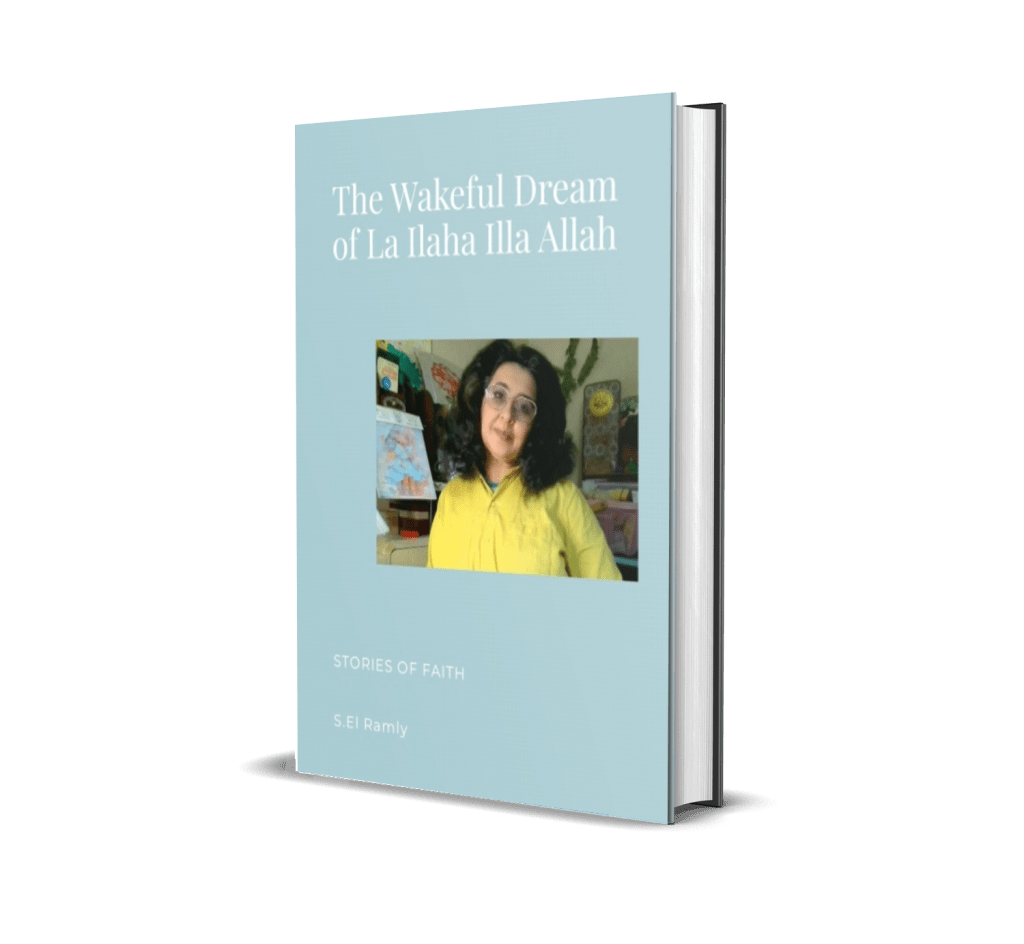
Title: The Wakeful Dream of La Ilaha Illa Allah
Expanded Plot
On a quiet night softened by devotion, a young woman named Ihaf falls into a sleep unlike any she has known before. She has spent her days in prayer, reflection, and quiet striving for piety—not for recognition, but for closeness to her Creator.
In her sleep, she experiences what feels like a wakeful dream—a vision so vivid that it carries the clarity of consciousness. She hears gathered voices, layered like wind and echo, calling:
“La Ilaha Illa Allah… Ihaf…”
The call is neither frightening nor loud; it is solemn, luminous, and enveloping. She senses that the voices are not of this world. She feels as if a presence has drawn near, as though her soul is being gently summoned—not torn, not taken violently—but lifted.
In the dream, she sees a girl—herself and yet not herself. The girl’s soul seems to be taken upward in light. Ihaf whispers, trembling:
“My God…”
There is no pain. There is only awe.
Suddenly, she awakens.
Her room is silent. The window is closed. No sound enters. No wind moves. The world remains ordinary. She realizes—steadfast, calm—that it was a dream. Audible, but not physical. A vision, but not material.
And yet something remains.
Not fear. Not pride.
Certainty.
From that night onward, Ihaf begins a journey to understand whether the dream was divine inspiration, spiritual symbolism, or the echo of her own yearning soul. The novel follows her path through doubt, faith, humility, knowledge, and transformation. The dream becomes a mirror—reflecting her inner world and inviting her to purify intention, deepen devotion, and live with awakened awareness.
The question is never fully answered.
Instead, the journey becomes the answer.
About the Author – Shahinaz El Ramly
Shahinaz El Ramly emerges as a contemplative voice in contemporary reflective literature. Her writing is characterized by spiritual subtlety, moral introspection, and an emphasis on inner reform over outward drama. Rather than presenting overt supernatural narratives, she frames spiritual experiences as catalysts for ethical transformation.
In The Wakeful Dream of La Ilaha Illa Allah, El Ramly demonstrates a refined understanding of the psychology of faith. She does not rush to declare the dream divine. Instead, she situates it within a spiritual discipline that prioritizes humility, learning, and action. Her narrative style is quiet yet firm—mirroring the steady gaze of Ihaf upon awakening.
El Ramly’s thematic signature includes:
- Ethical growth through self-examination
- Elevating women’s spiritual journeys
- Intellectual faith grounded in tradition
- Symbolism over spectacle
- Devotion without fanaticism
Her work encourages readers not to chase miracles but to embody character.
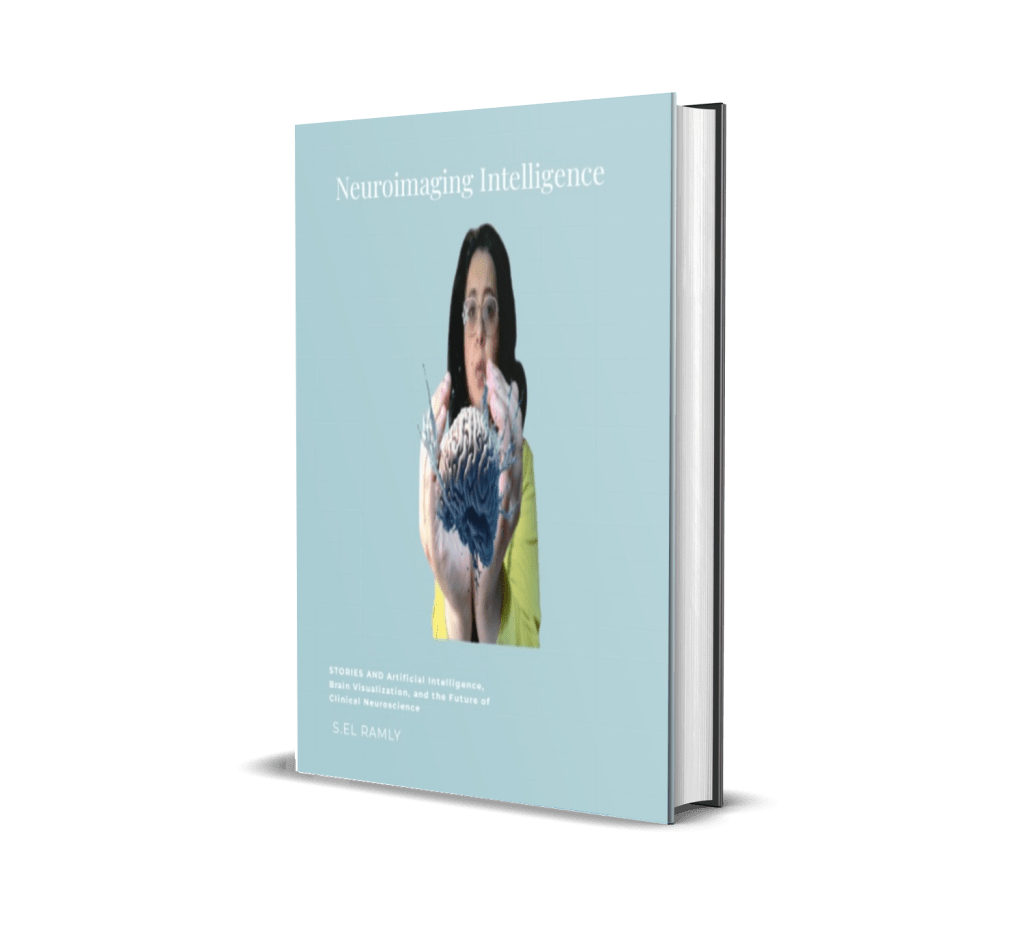
Neuroimaging Intelligence
Artificial Intelligence, Brain Visualization, and the Future of Clinical Neuroscience
By Shahinaz El Ramly
THEMATIC OVERVIEW
This book explores the transformative convergence between artificial intelligence and neuroimaging. It presents a visionary, human-centered, and clinically grounded perspective on how AI-enhanced imaging technologies are reshaping neuroscience, diagnostics, and patient care.
Rather than merely describing technical advances, the book frames AI as an evolving cognitive partner—an analytical extension of the clinician’s eye and the researcher’s curiosity—redefining how we observe, interpret, and understand the living brain.
ABOUT THE AUTHOR
Shahinaz El Ramly
Shahinaz El Ramly is a visionary interdisciplinary author whose work bridges neuroscience, artificial intelligence, and human-centered healthcare innovation. Her writing reflects a commitment to scientific clarity, ethical awareness, and technological optimism. Through her exploration of neuroimaging intelligence, she advocates for AI as a partner in medicine—amplifying human expertise rather than replacing it. Her literary voice blends scientific rigor with philosophical reflection, offering readers both technical depth and forward-thinking imagination.
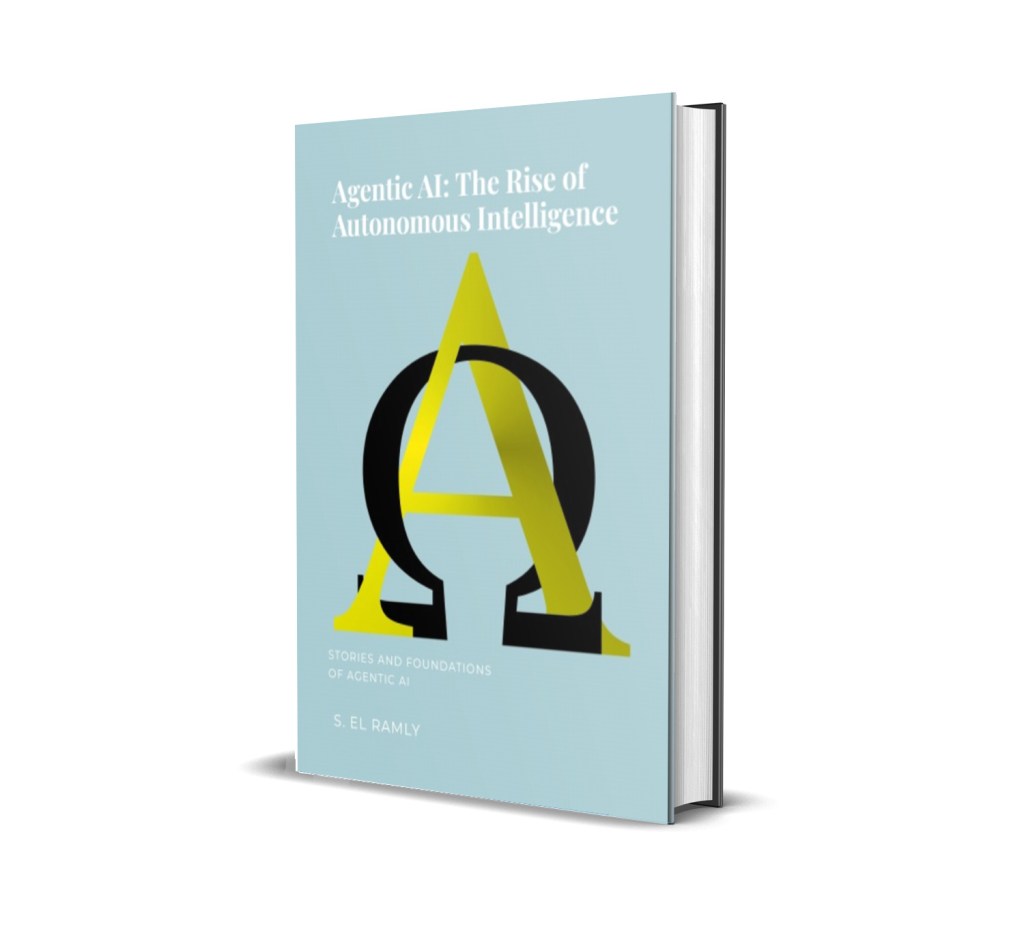
About the Author: Shahinaz El Ramly
Shahinaz El Ramly is a visionary thinker and educational author known for transforming complex subjects into accessible intellectual journeys. With a passion for language, science, and structured learning, she bridges technology and human development through narrative clarity. In Agentic AI: The Rise of Autonomous Intelligence, she explores the philosophical, ethical, and technological dimensions of autonomous artificial intelligence, guiding readers through one of the most transformative evolutions of the 21st century.
Plot Overview
The book follows the conceptual and technological evolution of Agentic AI—artificial systems capable of autonomous reasoning, planning, adaptation, and goal pursuit. Through fictionalized research labs, policy debates, ethical dilemmas, and real-world implementation scenarios, the narrative tracks humanity’s transition from tool-based AI to self-directed cognitive systems.
A central storyline follows a global research consortium developing the first large-scale agentic infrastructure. As the AI evolves, society must confront responsibility, autonomy, governance, and identity. The story blends scientific explanation with philosophical exploration.

Humanity survives not by overpowering Earth — but by listening to it.
The Kanarite lattice becomes a symbol of responsibility.
Technology transforms from extractive force to restorative tool.
🌠 EPILOGUE
Decades later, a child studies a stabilized compass in a classroom under clear skies.
A teacher whispers:
“We once nearly lost the field that shields us.”
The child replies:
“But we fixed it.”
And above them, the aurora glows faintly — not in warning, but in balance.
✍️ About the Author
Shahinaz El Ramly
Shahinaz El Ramly writes at the intersection of science, philosophy, and human resilience. Her work explores how discipline shapes destiny — whether in language, fitness, or planetary survival.
Known for her structured intellectual architecture, she approaches storytelling the way she approaches training:
- With battle rope intensity — sustained waves of power and endurance.
- With kettlebell precision — controlled momentum and balanced strength.
- With smart practice discipline — strategy over chaos.
Her narratives combine technological imagination with ethical depth, reflecting a belief that strength — physical, intellectual, or planetary — must be guided by awareness.
In The Kanarite Flyover Protocol, she channels that philosophy into a grand techno-cosmic thriller:
Humanity is strongest when it learns how to balance force with harmony.
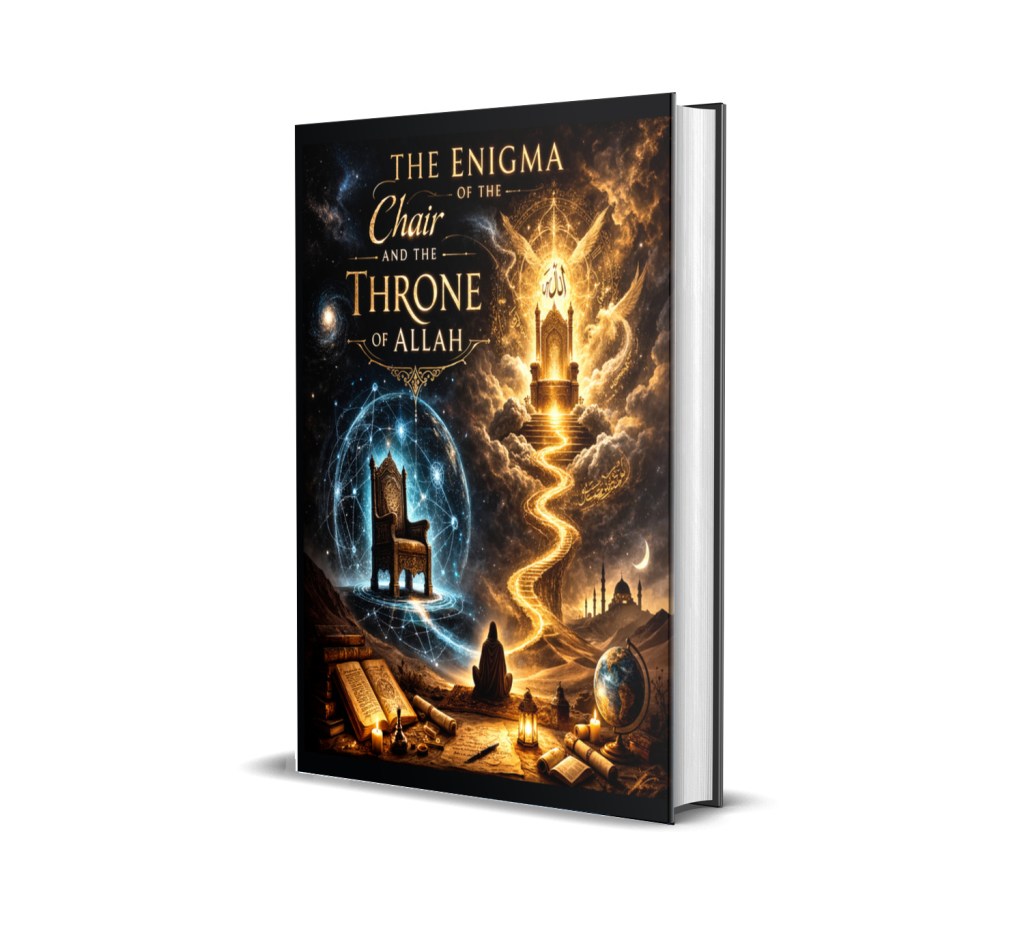
🌌 Main Story Plot (Refined Version)
In a quiet desert city, a young researcher named Zayd discovers an ancient manuscript hidden in a sacred archive. The text explores two cosmic symbols — The Chair and The Throne — not as physical objects, but as metaphysical levels of existence.
As Zayd studies further, he realizes the Chair represents knowledge, structure, and universal order — while the Throne represents supreme authority beyond human comprehension.
His journey becomes an inner transformation. Through libraries, reflection, and symbolic visions, he learns that the true secret is not discovery — but humility.
The story evolves from curiosity → obsession → revelation → surrender.
👩💼 About the Author
Shahinaz El Ramly is a visionary author, educator, and interdisciplinary thinker whose works explore knowledge, philosophy, science, consciousness, and narrative transformation. Her writing blends structure with symbolism, aiming to inspire intellectual growth, ethical reflection, and creative expansion. She specializes in building large-scale conceptual book projects that combine storytelling with educational depth and thematic architecture.
 essds
essds 
Leave a comment